The Wild Dogs of Tiblisi
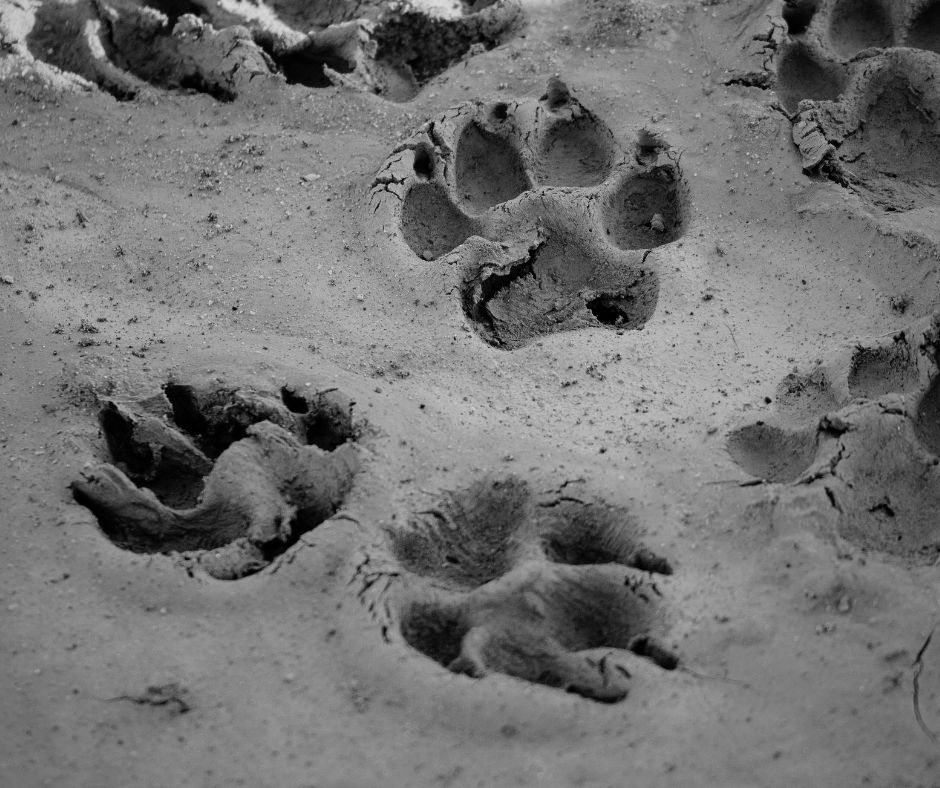
The bones were the first warning.
My father was deep in the Caucasus Mountains above Tbilisi, Georgia — a Soviet-era assignment that had taken him far from the familiar. He'd spotted a ridge line on his way into the city, the kind a photographer dreams about: a natural balcony above the capital, perfectly angled to catch the final fire of a Georgian sunset pouring copper and blood-orange over ancient rooftops.
His driver parked the car but refused to go with him. He shouldered his camera bag and began the climb over a forested ridge.
One mile over rocky terrain, breathing the cold, resinous mountain air — pine needles, stones, the scent of something faintly metallic underneath. The light was shifting fast.
Golden hour doesn't wait.
He moved quickly, focused, a professional with a destination locked in his mind.
And then, scattered across the forest floor: bones. Lots of them.
He noted them and kept moving. The image was waiting.
But the shot never came. Cloud cover rolled in like a closing fist, and the light died without ceremony. He stood on the ridge in the sudden grey dusk, camera useless at his side, and made the calculation every professional makes at some point — cut your losses and move.
He turned back and began the ascent over the ridge.
And that's when he heard it.
Not one howl. Many.
A chorus rising from the tree line above — that dissonant sound that lives somewhere between a dog and an ancient predator. His body registered the threat before his mind caught up. A cold shiver washed over him.
He stopped.
He already knew about the wild dogs of the Georgian mountains. Everyone in the region did. They ran in packs unafraid of people. They were, in the understated language of locals, dangerous. And right now, they were massing on the only trail that stood between him and his car.
He stood very still — the cold air sharp in his lungs, his heart beating loudly in his chest — and he did something that very few people under that kind of pressure manage to do.
He paused. Deliberately.
Not because he wasn't afraid. But because he knew that the fear itself, if he followed it blindly, would walk him directly into the hungry pack.
Scanning the terrain, he listened — not just with his ears, but with his whole body, the way you do when the stakes are high, and your nervous system becomes an instrument. He considered the hollow depression to his left –– the long way back. The switchback would add a lot of precious time in the waning light to the return trip to his car, where he hoped his driver was still waiting.
He took it.
He arrived back — hot, sweaty, later than planned — and safe.
What My Father Knew That Most Leaders Forget
Here's the thing about wild dogs: they rarely announce themselves until you're already in the danger zone.
Most of us who've built careers, raised families, led teams, started a business, or created bodies of work know this feeling — not from mountain ridges, but from boardrooms and living rooms, pivotal projects, creative droughts, and the moments when our carefully-planned path forward suddenly sounds like howling.
The instinct is to push through. To keep moving toward the destination we'd already committed to. After all, we're professionals. We have timelines. People are counting on us.
But sometimes the most intelligent, most courageous move is to STOP! Position your awareness inside your body as you listen with every fiber of your being. Then, choose another way.
This is what I call a FireKeeper move — and it's the kind of embodied, present-moment intelligence that no productivity system, no strategy deck, and no leadership framework will ever teach you.
Because it doesn't live in the mind.
It lives in the body. In the pause. In the willingness to let go of the straight line when the straight line leads into the hungry pack.
The mountain will always have wild dogs. The question is whether you're awake enough to hear them.
If this landed somewhere in your chest — if you recognized something true in it — I'd love to have you in my world.
→ Would you like to read and learn more about FireKeeping?
Sign up for my emails, where I share stories, frameworks, and practices for seasoned professionals, leaders and creatives who are learning to lead from the inside out.
FireKeeper Newsletter and Information